Descripción
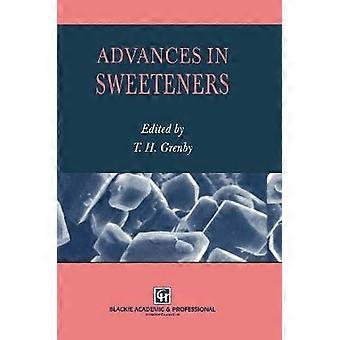
Advances in Sweeteners
1 Molecular structure and sweet taste. - 1. 1 Introduction. - 1. 2 Development of structure-taste theories. - 1. 3 Classes of sweeteners. - References. - Further reading. - 2 Essential information on regulatory and legislative matters pertaining to sweeteners in the United Kingdom and the European Union. - 2. 1 Current legislative position of sweeteners. - 2. 2 The EU Sweeteners Directive. - 2. 3 Implementation of the directive in United Kingdom law. - 2. 4 Amendment of the Sweeteners Directive. - 2. 5 Procedures for the addition of new sweeteners to the permitted list. - 2. 6 Conclusions. - 3 Regulatory processes for new sweeteners in the United States of America. - 3. 1 FDA's responsibilities versus resources. - 3. 2 Regulatory strategy for a food additive petition. - 3. 3 Generating data for a food additive petition. - 3. 4 Mechanics of a food additive petition. - 3. 5 The petition review and approval process. - 3. 6 Conclusion. - References. - 4 Physiological properties of polyols in comparison with easily metabolisable saccharides. - Summary. - 4. 1 Introduction. - 4. 2 Digestion. - 4. 3 Absorption of polyols. - 4. 4 Postprandial effects of polyols on blood glucose and polyol concentrations. - 4. 5 Microbial utilisation of undigested and unabsorbed polyols in the colon. - 4. 6 Gastrointestinal tolerance. - 4. 7 Caloric utilisation of polyols. - 4. 8 Dental health related aspects of polyols. - 4. 9 Conclusions. - References. - 5 Versatility of maltitol in different forms as a sugar substitute. - 5. 1 Introduction. - 5. 2 Properties. - 5. 3 Commercial forms of maltitol. - 5. 4 Applications. - 5. 5 Conclusion. - 6 Basic structure and metabolism of isomalt. - Summary. - 6. 1 Introduction. - 6. 2 Production of isomalt. - 6. 3 General physico-chemical characteristics of isomalt. - 6. 4 Metabolism of isomalt. - 6. 5 Digestion and absorption ofisomalt. - 6. 6 Isomalt: a bulk sweetener for diabetics. - 6. 7 Energetic aspects: isomalt as a sweetener for calorie-reduced foods. - 6. 8 Conclusions. - References. - 7 Properties and applications of isomalt and other bulk sweeteners. - 7. 1 Introduction. - 7. 2 Manufacturing processes of mono- and disaccharide alcohols. - 7. 3 Safety aspects. - 7. 4 Overview of bulk sweeteners. - 7. 5 Sensorial properties. - 7. 6 Market acceptance. - References. - 8 Nutritional properties and applications of erythritol: a unique combination?. - 8. 1 Introduction. - 8. 2 Chemical and physical properties. - 8. 3 Erythritol a naturally occurring substance. - 8. 4 An entirely biotechnological process. - 8. 5 Nutritional properties. - 8. 6 Functional properties of erythritol. - 8. 7 Food a pplications of erythritol. - 8. 8 Conclusions. - Reference. - 9 Sweet taste and solution properties of ??-trehalose as a new cryoprotectant sugar. - 9. 1 Introduction. - 9. 2 Carbohydrates as cryoprotectants. - 9. 3 Mechanism of cryoprotection. - 9. 4 Physico-chemical properties of ??-trehalose in aqueous solution. - 9. 5 Interpretation of interactions of ??-trehalose with water. - 9. 6 Intensity/time relationships of ??-trehalose: relation of its physico-chemical properties to its sweet taste. - 9. 7 Protective effect of ??-trehalose in freeze-dried fruit purées. - 9. 8 Conclusion. - Acknowledgement. - References. - 10 Intense sweeteners and calorie control: the weight of a body of evidence. - 10. 1 Introduction. - 10. 2 The original observations. - 10. 3 Recent studies on the effects of intense sweeteners. - 10. 4 Conclusions. - References. - 11 Features of alitame as a new high intensity sweetener. - 11. 1 Introduction. - 11. 2 Development rationale. - 11. 3 Physical and chemical characteristics. - 11. 4 Temporal profile sweetness quality. - 11. 5Synergism admixture potential. - 11. 6 Utility in food systems. - 11. 7 Decomposition pathways. - 11. 8 Metabolism. - 11. 9 Safety. - 11. 10 Regulatory status. - References. - 12 Neohesperidine dihydrochalcone: recent findings and technical advances. - 12. 1 Introduction. - 12. 1 Origin production and related substances. - 12. 3 Regulatory developments. - 12. 4 Stability. - 12. 5 Sensory properties. - 12. 6 Product applications. - References. - 13 The uses and commercial development of sucralose. - 13. 1 Introduction. - 13. 2 Production. - 13. 3 Regulatory situation. - 13. 4 Conclusions. - References. - 14 The blending of sweeteners Applications and safety issues. - 14. 1 Introduction. - 14. 2 Synergism. - 14. 3 Sweetness stability. - 14. 4 Selection criteria. - 14. 5 Safety. - 14. 6 Intake considerations. - References. - 15 Cultural and legislative influences on the consumption of high intensity sweeteners in Europe. - 15. 1 Objectives. - 15. 2 Scope. - 15. 3 Background. - 15. 4 Legislation. - 15. 5 Soft drinks. - 15. 6 Formulations. - 15. 7 Conclusions. - References. Language: English
-
Nº de Fruugo :
337897925-741557296
-
ISBN:
9781461285229
Entrega y devolución
Enviado en un plazo de 4 días
Envío desde Reino Unido.
Hacemos todo lo posible para asegurarnos de que se le entreguen los productos que pida en su totalidad y de acuerdo con sus especificaciones. Sin embargo, si recibe un pedido incompleto o artículos diferentes a los que pidió, o hay alguna otra razón por la que no está satisfecho con el pedido, puede devolver el mismo o cualquier producto incluido en él y obtener un reembolso completo por los artículos. Vea la política de devolución completa